WIMAN LAB
Research

Wiman Lab

Research

Research

Research programmes

The group pursues four integrated research programmes that translate mechanistic p53 biology into therapeutic strategies.
01

Reactivating mutant p53 for cancer therapy

Therapeutic reactivation of mutant p53 proteins using small molecules (for example PRIMA-1 and APR-246) and understanding the multiple downstream mechanisms that result in tumour cell death.

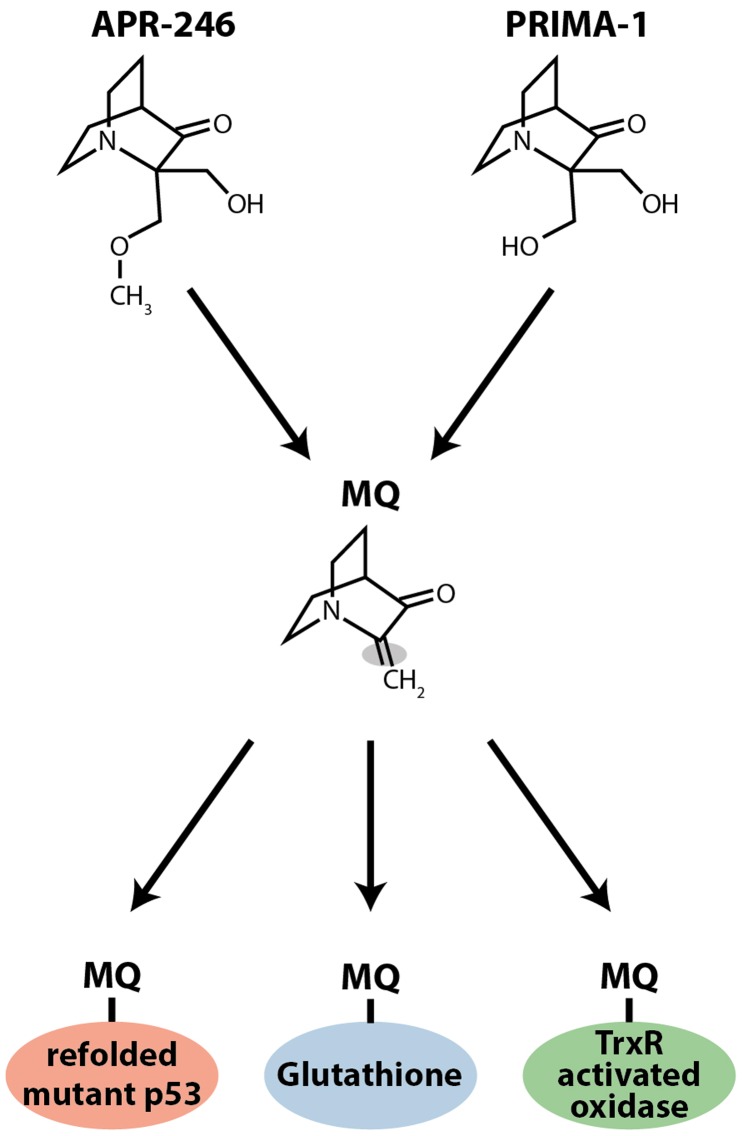
Mutant TP53 is a common driver in human cancer. The team discovered and developed PRIMA-1 and its methylated derivative APR-246 (eprenetapopt) and has characterised how these small molecules bind the p53 core domain and perturb cellular redox balance to trigger apoptosis in tumour cells.

Work spans biochemistry of mutant-p53 reactivation, identification of covalent binding sites and cellular targets, and preclinical combination strategies to enhance efficacy and overcome resistance in different tumour types.
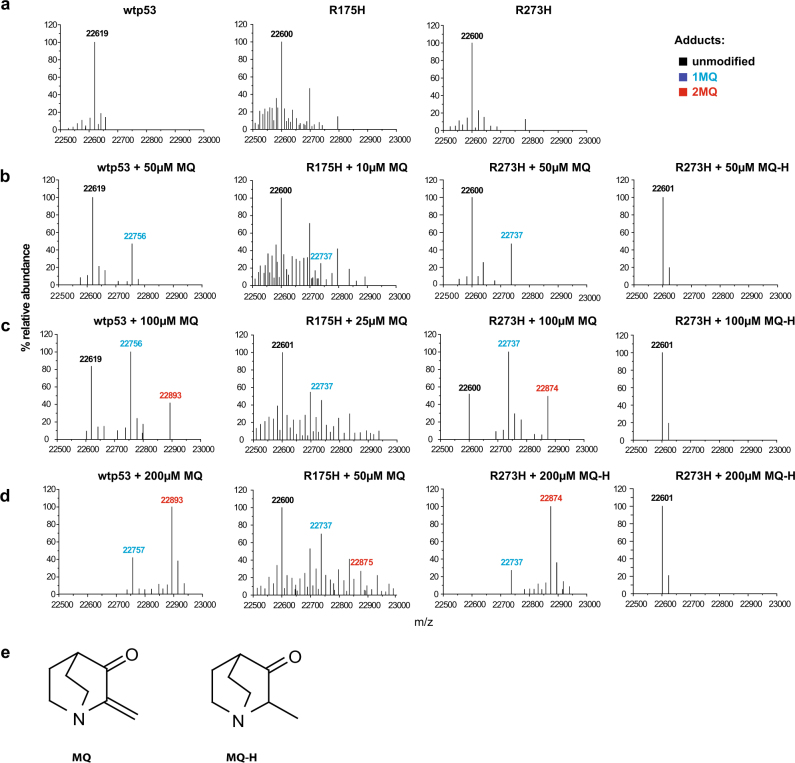
Figures from Zhang Q., Bykov V.J.N., Wiman K.G., Zawacka‑Pankau J. (Cell Death & Disease, 2018) — APR‑246/PRIMA‑1MET reactivation of mutant p53 (figures and data showing targeting of cysteines 124 and 277). PMC full‑text article.
02

Pharmacological readthrough of TP53 nonsense mutations

Developing strategies to restore full-length functional p53 from TP53 nonsense alleles by pharmacological induction of translational readthrough.

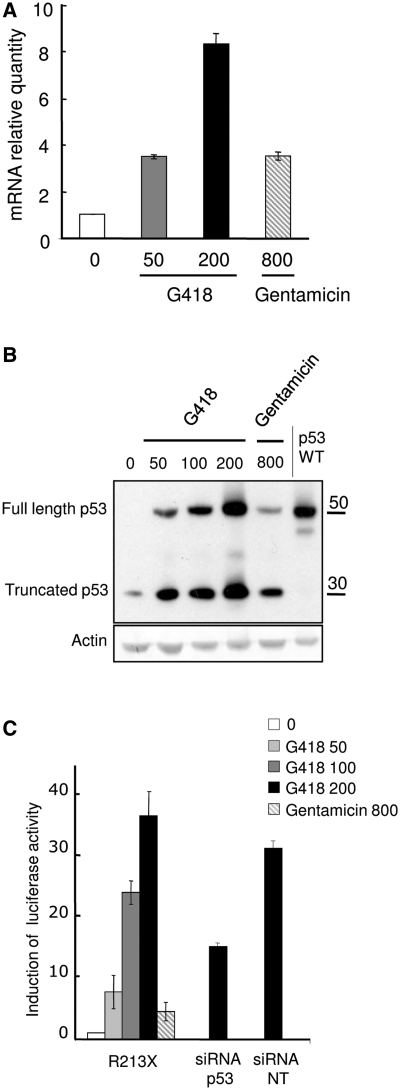
The team has elucidated mechanisms by which small molecules and certain nucleoside incorporations (for example metabolites of 5‑fluorouracil) promote readthrough of TP53 nonsense mutations, restoring functional full-length p53 in model systems.

Efforts include screening for novel compounds that synergise with aminoglycosides or eRF3 degraders, and validating readthrough strategies in cellular and animal models including knock-in mice that recapitulate common human TP53 nonsense mutations.

Figure 1 from 'Rescue of non-sense mutated p53 tumor suppressor gene by aminoglycosides' (identification and readthrough efficiencies of TP53 nonsense mutations; demonstrates aminoglycoside-induced readthrough of common TP53 PTCs including R213X).
03

p53, cellular redox balance and tumour microenvironment

Investigating how redox biology modulates p53 responses and how tumour-associated fibroblasts and extracellular signals affect p53-mediated drug responses.

Work shows that MQ (the active product of APR-246) perturbs thiol-reactive systems — for example by inhibiting thioredoxin reductase and depleting glutathione — and that these effects contribute to tumour cell death alongside p53 reactivation.

The group also demonstrates how cancer-associated fibroblasts can modify intracellular glutathione and attenuate p53 responses, highlighting the need to consider microenvironmental redox support when designing p53-directed therapies.

Figure 1 from 'Targeting of Mutant p53 and the Cellular Redox Balance by APR‑246 as a Strategy for Efficient Cancer Therapy' (schematic and experimental data linking APR‑246/MQ activity to thioredoxin reductase targeting and redox perturbation).
04

p53 control of cell-cycle arrest and apoptosis

Defining transcriptional and post-transcriptional mechanisms by which p53 induces cell-cycle arrest (for example via p21) or apoptosis (for example via PUMA, FAS), and how these pathways determine therapeutic outcome.

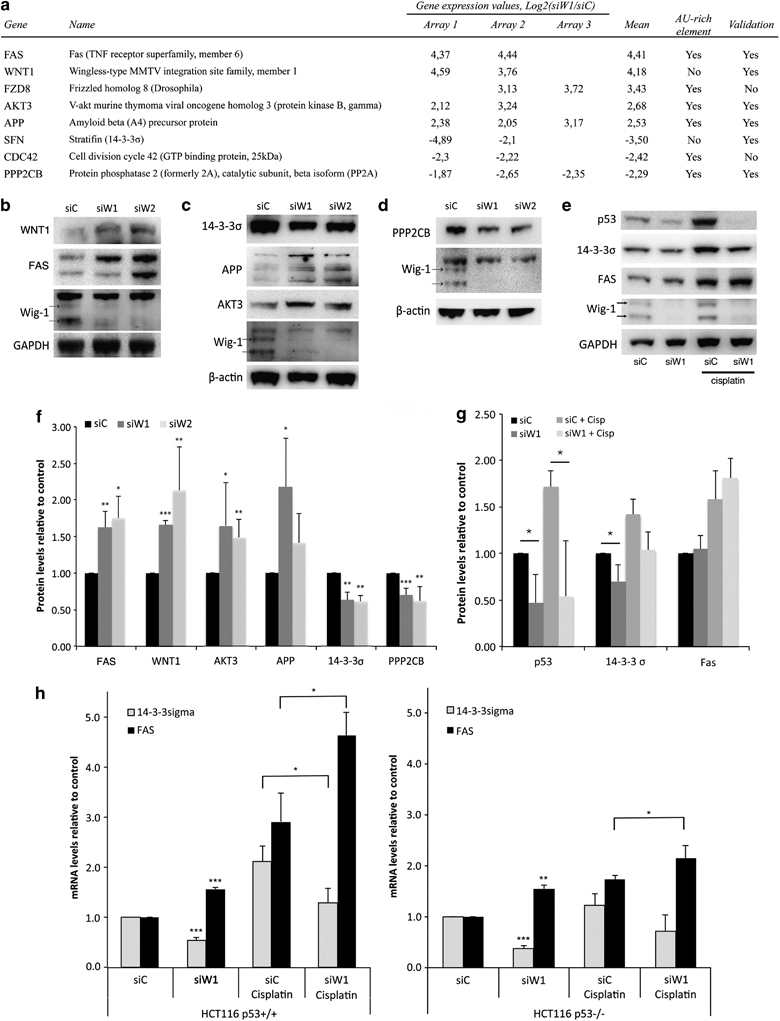
The group has characterised key downstream effectors of p53 — including p21/WAF1, Wig‑1 (ZMAT3) and apoptotic mediators — and explored how context, cooperating oncogenic signals and anti-apoptotic factors modulate the outcome of p53 activation.

This programme integrates molecular dissection of p53 target gene networks with functional studies in cancer-relevant models to identify vulnerabilities that can be exploited therapeutically.

Figure 4 from 'Wig‑1 regulates cell cycle arrest and cell death through the p53 targets FAS and 14‑3‑3σ' (experimental data showing Wig‑1 effects on p53 target genes involved in cell‑cycle arrest and apoptosis).